Building Enduring Real Estate Platforms
Lessons from the Day Pitney Palm Beach Family Office Forum 2026

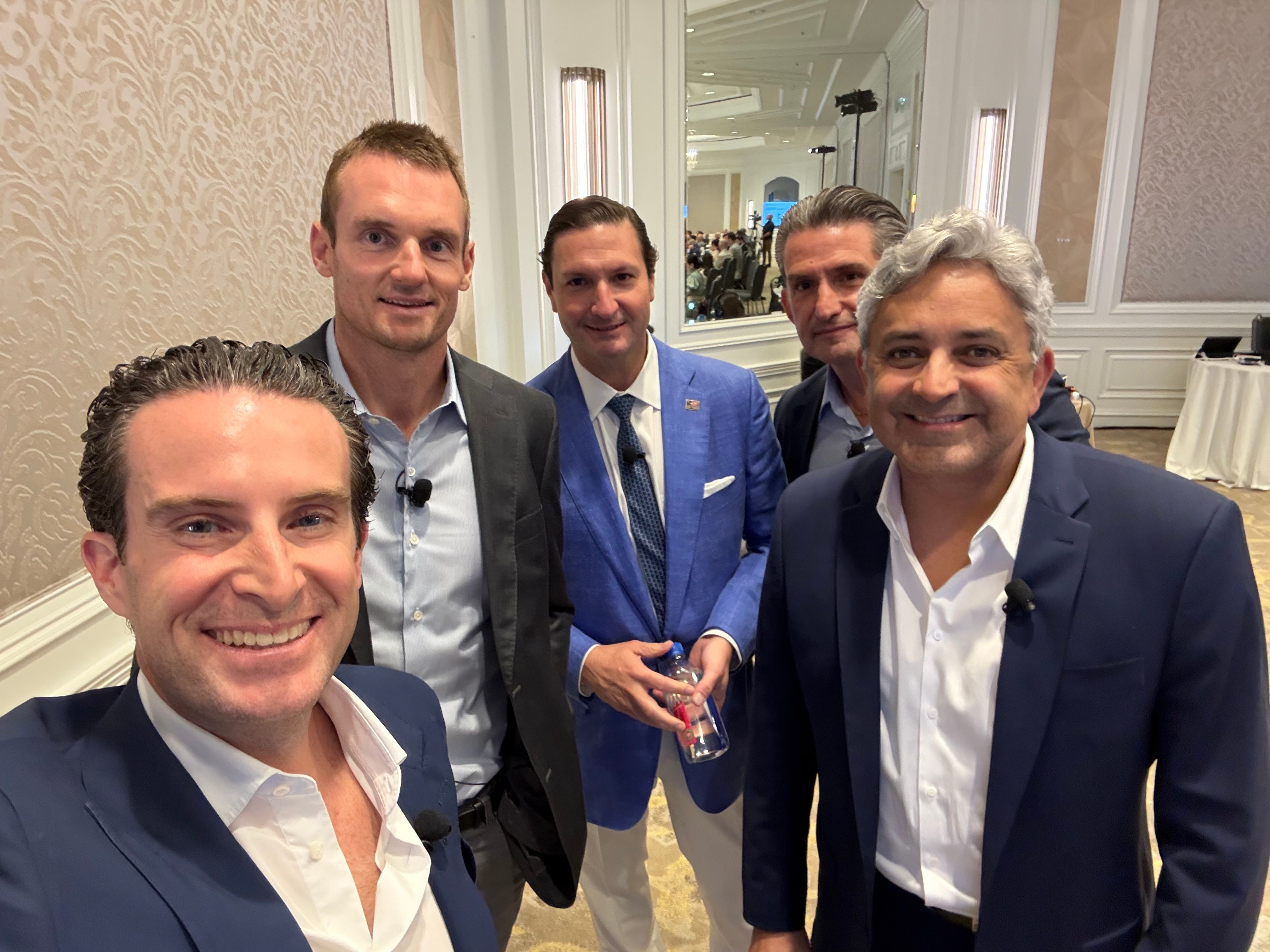
As we discussed during the real estate panel at Day Pitney’s 13th Annual Palm Beach Family Office Forum, where we convened enterprising families, global family offices, and their trusted advisors and operating partners, it became clear that a quiet but powerful shift is underway in how family offices approach real estate.
As Chair of our Florida Real Estate Practice, I had the privilege of organizing and moderating this discussion. The conversation brought together experienced operators, investors, and family principals to explore a fundamental question:
Should families simply invest in real estate or should they build real estate businesses?
What was once largely a passive allocation, capital placed into deals and measured by quarterly returns, is evolving into something far more intentional. Families are rethinking their role. They are seeking alignment, control, and long term value creation, not just exposure.
What emerged from the discussion was not a single blueprint, but a set of principles grounded in discipline, partnership, and a people first philosophy that can guide families whether they are building operating platforms or investing alongside best in class sponsors.
From Capital Allocators to Business Builders
The families who generate enduring wealth in real estate think like operators, even when they invest passively.
Several panelists reflected on their evolution from passive investors to active participants. Early investments served as a form of apprenticeship, learning how deals were structured, how risk was managed, and how decisions were made.
Over time, however, they found themselves underwriting opportunities with the same rigor as sponsors, yet without the same level of control or participation in the upside. That realization became the catalyst to build. This transition was not framed as a pursuit of control, but as a natural progression toward alignment and accountability.
The Case for an Operating Platform
Building a real estate platform creates institutional capability, access, alignment, and knowledge that compounds over time. But the panel made clear that this path is often underestimated.
One consistent theme was the realization that capital alone is not a competitive advantage. Several speakers shared that early assumptions about the strength of their balance sheet gave way to a deeper appreciation for execution, assembling the right team, building systems, and delivering consistently.
There was also a clear emphasis on hiring ahead of growth. The most successful platforms invested early in talent, recognizing that waiting until scale demanded it often meant falling behind.
Partnering with Best in Class Sponsors
For many families, the better path is not to build, but to partner. And here, the panel was unequivocal.
Real estate is a people first business.
Across the discussion, panelists emphasized that their most successful relationships were not formed around a single deal, but around shared values and long term alignment. Investment decisions were driven as much by the character, integrity, and consistency of the sponsor as by the underlying asset.
There was a clear preference for working with partners they knew, often built through prior experience, rather than pursuing new relationships based solely on opportunity. Alignment on risk tolerance, time horizon, and behavior through cycles was repeatedly cited as essential. Without it, even well structured deals can break down.
Local Expertise and Presence
Execution in real estate is inherently local. Panelists highlighted the critical importance of having trusted operators and advisors on the ground, people who understand not only the technical aspects of development, but also the political and community dynamics that shape outcomes.
Examples were shared of projects where success hinged on local engagement, navigating entitlement processes, participating in public hearings, and maintaining credibility within the community.
The takeaway was clear. Local expertise is not an enhancement. It is a requirement for execution.
Transparency, Communication, and Governance
Partnerships are defined by how they perform under pressure. Several panelists described situations where projects did not go as planned, whether due to market shifts, cost pressures, or operational challenges. In those moments, the strength of the partnership was determined by communication and alignment.
Open reporting, consistent updates, and full visibility were emphasized as essential practices. Investors were treated as true partners, welcomed into the process, given access to information, and included in problem solving discussions.
Clear governance structures were equally important. Defining roles, expectations, and incentives at the outset helped ensure that when challenges arose, partners remained aligned rather than adversarial.
Discipline in Underwriting and Risk
The panel returned repeatedly to the importance of discipline. There was a shared recognition that recent market cycles may have rewarded aggressive assumptions, but that environment should not be mistaken for a sustainable strategy. Panelists emphasized rigorous underwriting, conservative capital structures, and a deep focus on downside protection.
Importantly, diligence extended beyond the asset to the people behind it, evaluating not just performance, but how sponsors behaved in prior downturns. This discipline was framed not as a constraint, but as a competitive advantage, particularly in uncertain markets.
Talent and Culture as Strategic Assets
Real estate is an operational business, and outcomes are driven by people. Panelists consistently highlighted the importance of building strong teams early, investing in talent that not only had the technical capabilities, but also aligned culturally with the organization.
There was a recognition that these are long duration relationships. Teams work together across years, often through challenging environments, making trust, communication, and day to day chemistry critical. The most successful platforms viewed talent not as an expense, but as a foundational investment.
A Long Term Orientation
Patience was a defining theme throughout the discussion. Panelists spoke openly about the inevitability of cycles and the importance of structuring strategies that could withstand them. Flexibility, liquidity, and measured leverage were consistently emphasized as tools to navigate volatility.
There was a clear rejection of short term optimization in favor of durability. Decisions were made with the understanding that outcomes would be measured over years, not quarters.
A Defining Choice
The panel ultimately returned to a defining question: will you build or will you partner?
Both paths can lead to extraordinary outcomes, but both require clarity and commitment. The panel ultimately reinforced a clear distinction: success in this space does not come from approaching real estate as a sequence of isolated transactions, but from building a durable platform anchored in long term relationships, trust, and shared experience.
Closing Reflection
Real estate remains one of the most powerful vehicles for building and preserving family wealth.
But the lesson from this discussion was clear:
Enduring success is not driven by transactions. It is built on relationships.
Panelists consistently returned to the idea that the most important decisions were not about assets, but about people, who to partner with, who to trust, and who to build alongside over time.
Because in the end:
Real estate is not just about assets. It is about people.
And the strength of those relationships will define the legacy that follows.