Library in Gibara
A Reflection on Legacy, Stewardship and What Endures

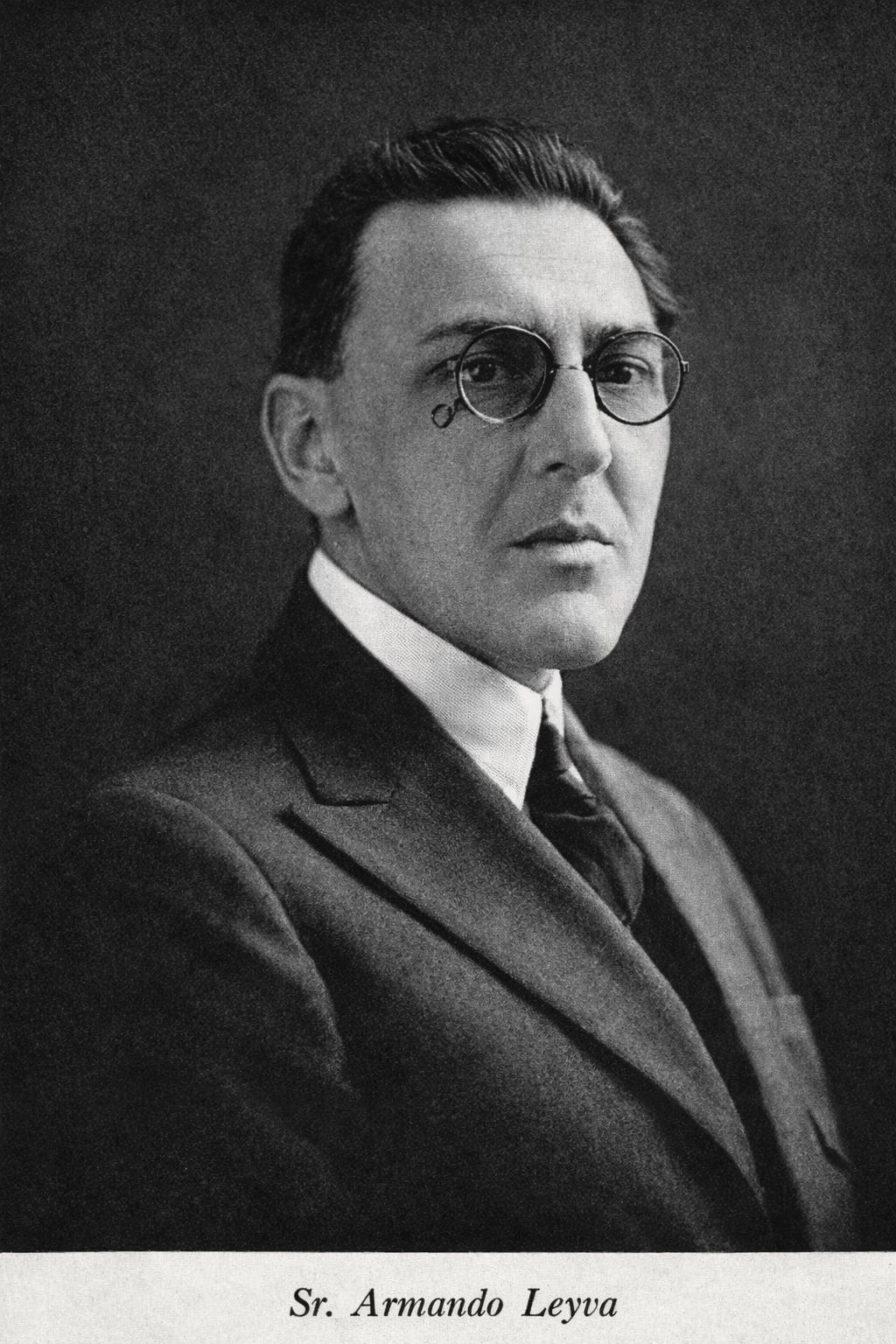
My great grandfather died on December 9, 1942.
Three years later, on June 13, 1945, the town of Gibara, a historic, small coastal community in eastern Cuba, opened a public library in its town center and gave it his name.
He did not ask for it.
He did not see it.
He did not live to celebrate it.
His neighbors did.
In a world emerging from war, in a pre-Revolution Cuban republic still full of aspiration, the people of that town chose to anchor a house of knowledge to the name Armando Leyva Balaguer.
That fact has stayed with me. As I have grown older and as my own parents have grown older that fact has taken on new weight.
I have always been drawn to history. But as the last members of that first generation of Cuban exiles passes, history becomes urgent. It becomes responsibility.
In recent years, my mother and I have reconnected with our Leyva relatives. We have visited the Freedom Tower and the Brigade 2506 Memorial in Little Havana with my children. My grandfather, Rene Armando Leyva, and his son Eduardo, were veterans of the Bay of Pigs. They believed Cuba could be free again. They risked everything for that belief.
Recently, spending time with our cousins awakened something in me. It pushed me to return to my great grandfather’s writings including his book Museo written in 1922, commemorating the Museo Emilio Bacardí, which he helped establish alongside Emilio Bacardi Moreau and the civic leadership of Santiago de Cuba during the early years of the Republic.
That generation was not passive.
They were building a nation.
They believed education was upward mobility. They believed culture was civic armor. They believed institutions were the scaffolding of freedom.
The Museo Emilio Bacardí was not simply a building. It was part of a patriotic, intellectual awakening. It was a conscious effort to preserve Cuban identity in a modern republic.
And then, three years after his death, Gibara opened a library and placed his name above the door.
A library is not a statue. It is not ornamental. It is not symbolic in a hollow way. A library is a commitment. It is a belief that education is the path upward. It is a declaration that ideas outlast circumstances. It is a wager on the future. It is a community saying knowledge is our inheritance.
My family has always believed that.
We have believed that education creates mobility. That literacy builds confidence. That knowledge secures dignity. That opportunity is expanded not by slogans but by study and discipline. Long before exile. Long before Miami. Long before the world we inhabit today.
The library in Gibara is not merely a building. It is evidence that those values were visible to others.
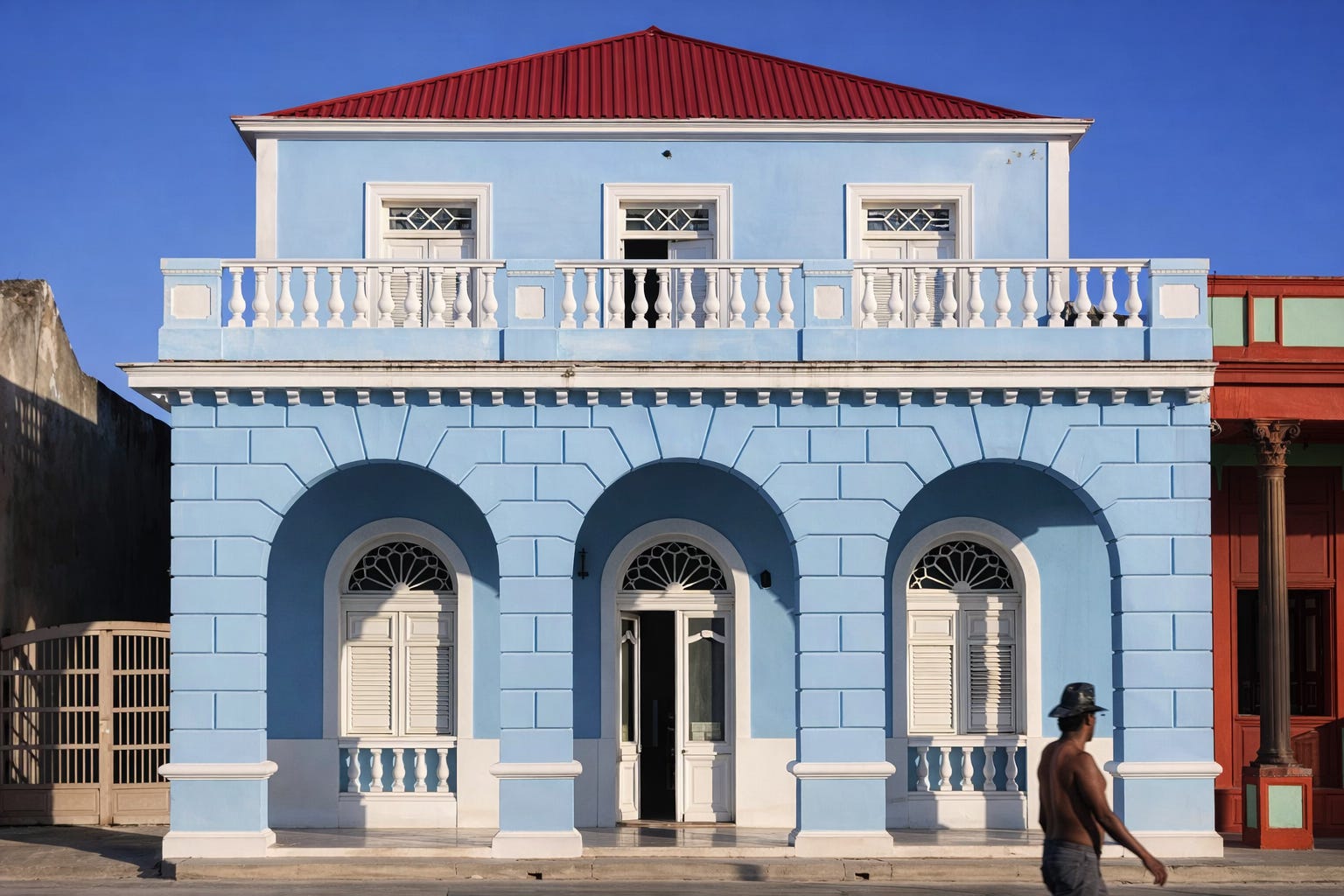
Regimes have changed since 1945. Governments have risen and fallen. Ideologies have swept across that island. Families have left. Economies have collapsed. Political systems have hardened.
The building remains.
And the name remains.
That is the part that moves me most.
Names attached to institutions outlive regimes.
That is what I want my children to understand.
In a world of constant change, especially in a city like Miami that is growing at exponential speed, it is easy to become consumed by momentum. New capital. New buildings. New headlines. New ambition. Growth is good. Progress is necessary. Evolution is inevitable.
But growth without memory is erosion.
The Cuban community that arrived in Miami did not come empty-handed. They brought discipline. They brought reverence for education. They brought a belief in upward mobility earned through hard work. They brought institutional memory. They built churches, schools, businesses, law firms, cultural organizations. They rebuilt what had been lost. They preserved what had been threatened.
They did not simply survive. They constructed.
When I look at that library in Gibara, I do not see nostalgia. I see stewardship.
Stewardship is the responsibility to preserve what is worthy and build upon it with integrity. It is the understanding that we are temporary, but the institutions we strengthen can endure. It is the humility to recognize that we stand on foundations poured by others.
If my great grandfather’s name could be entrusted to a public institution dedicated to knowledge, then the expectation is not pride. It is stewardship.
If my grandfather and his son could risk their lives in the Bay of Pigs for the idea of a free Cuba, then the expectation is not comfort. It is contribution.
If my grandparents and parents rebuilt in exile and preserved our story, then the expectation is not nostalgia. It is continuation.
To my children, you are not starting from scratch. You inherit not entitlement but obligation. You inherit a lineage that believed education matters. That believed institutions matter. That believed building for the future is a sacred duty. That believed freedom requires structure and sacrifice. That belief survived dictatorship. It survived exile. It crossed oceans. It helped shape the city we now call home. To whom much is given, much is expected.
And to those reading this in Miami, as our skyline rises and our city evolves, let us remember that foundations are cultural before they are architectural. If we fail to commemorate the community that shaped this place, we weaken the very soil that sustains its growth.
What we attach our names to matters.
If we are fortunate, our work will outlast us.
If we are disciplined, it will strengthen institutions.
And if we are faithful stewards, our children will inherit not just opportunity but example.
Somewhere in the center of Gibara stands a library opened in 1945.
That building has endured more than most of us ever will.
That is legacy.